
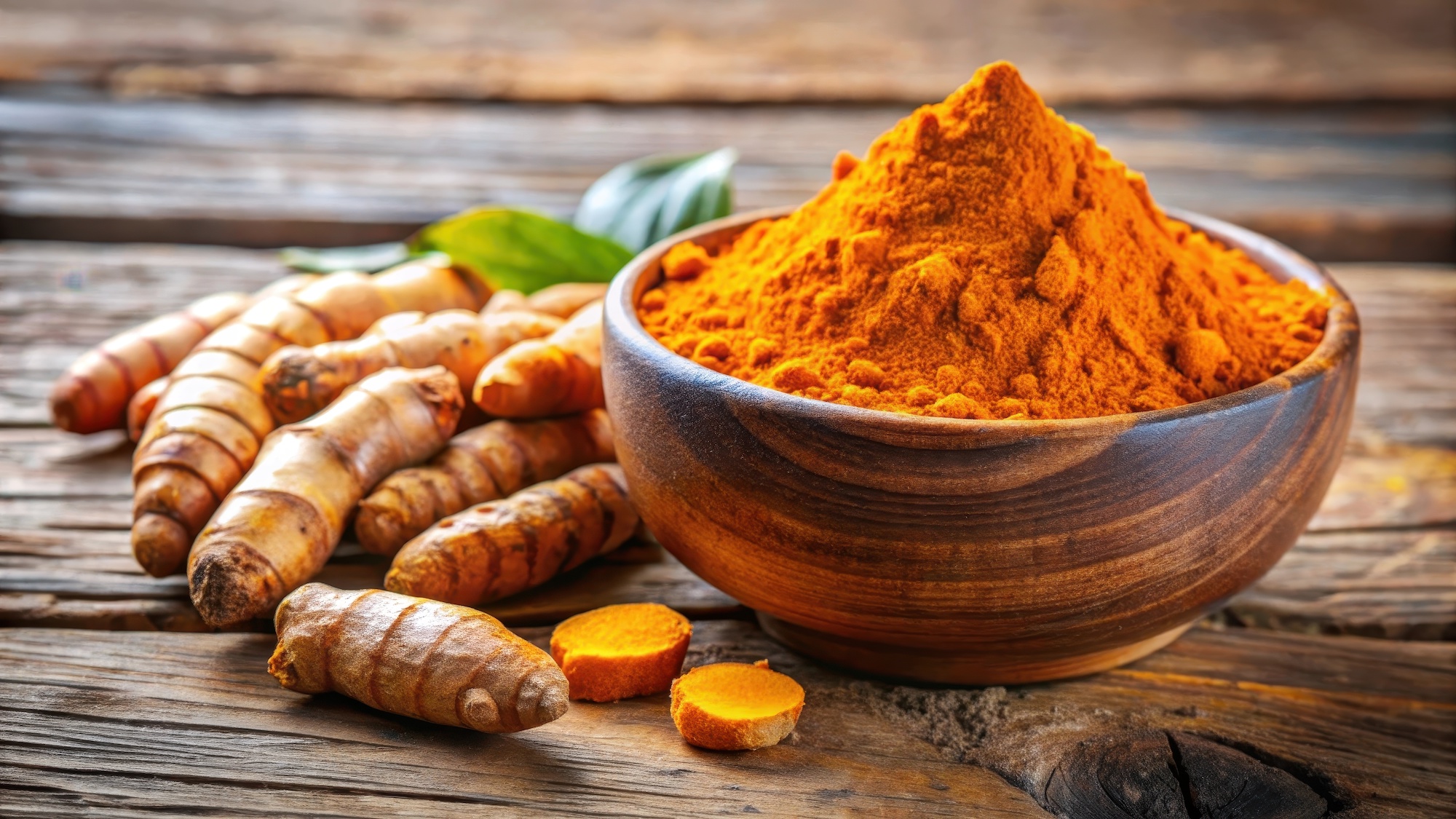
Turmeric, often called “the golden spice,” has been used for thousands of years in both culinary applications and traditional medicine, particularly in Asian cultures. Its active compound, curcumin, has gained significant attention from the scientific community for its remarkable anti-inflammatory properties.
What is Turmeric?
Turmeric (Curcuma longa) is a flowering plant of the ginger family. The spice comes from the plant’s rhizome, or underground stem, which is dried and ground into the distinctive yellow-orange powder. While turmeric contains various beneficial compounds, curcumin is the most well-studied and potent anti-inflammatory component.
Anti-Inflammatory Mechanisms
Blocking Inflammatory Molecules
Curcumin works by blocking NF-kB, a molecule that travels into the nuclei of cells and triggers genes related to inflammation. By inhibiting this pathway, turmeric helps reduce inflammation at the molecular level.
Antioxidant Properties
The spice also demonstrates powerful antioxidant effects by:
- Neutralizing free radicals directly
- Stimulating the body’s own antioxidant enzymes
- Reducing oxidative stress
Health Benefits
Chronic Disease Management
Turmeric’s anti-inflammatory properties make it beneficial for various conditions:
- Arthritis
- Heart disease
- Inflammatory bowel disease
- Diabetes
- Alzheimer’s disease
Pain Relief
Studies have shown turmeric to be effective in reducing:
- Joint pain
- Post-operative inflammation
- Exercise-induced inflammation and muscle soreness
Optimizing Absorption
Curcumin has naturally low bioavailability, meaning the body doesn’t easily absorb it. However, there are several ways to enhance absorption:
- Combining with black pepper (piperine)
- Taking with healthy fats
- Using heat during preparation
Incorporating Turmeric Into Your Diet
Dietary Sources
- Golden milk (turmeric latte)
- Curry dishes
- Smoothies
- Soups and stews
- Rice dishes
Supplementation
While dietary sources are beneficial, supplements may be necessary for therapeutic doses. Always consult healthcare providers before starting any supplement regimen.
Safety and Precautions
Side Effects
Turmeric is generally safe when used in food amounts, but high doses may cause:
- Digestive issues
- Headaches
- Skin rashes
Interactions
Turmeric may interact with:
- Blood thinners
- Diabetes medications
- Certain antibiotics
Conclusion
Turmeric’s anti-inflammatory properties make it a valuable natural remedy for various health conditions. While more research is ongoing, existing evidence supports its use as part of a healthy lifestyle, particularly when combined with other anti-inflammatory dietary and lifestyle practices.
Remember to consult healthcare professionals before using turmeric medicinally, especially if you have existing health conditions or take medications.